
随着加密货币的不断发展和普及,越来越多的人开始关注虚拟币钱包的使用。特别是在美国,越来越多的用户开始投...
In recent years, the rise of cryptocurrencies and blockchain technology has transformed the way individuals and businesses conduct financial transactions. Central to this ecosystem are blockchain wallets, which are essential tools for storing, managing, and transacting various cryptocurrencies. This comprehensive guide will explore how blockchain wallets operate, covering their functions, types, security measures, and practical tips for users. We will also address common questions about blockchain wallets to enhance your understanding of this critical element in the cryptocurrency landscape.
A blockchain wallet is a digital tool that allows users to store and manage their cryptocurrencies. Unlike traditional wallets that hold physical currency, a blockchain wallet does not store the actual coins but rather the keys to access the blockchain, where the assets exist. This means that every transaction is recorded on the blockchain, a decentralized ledger that ensures transparency and security.

There are primarily three types of blockchain wallets: software wallets, hardware wallets, and paper wallets. Each type has its own advantages and disadvantages.
1. Software Wallets: These can be further divided into desktop, mobile, and web wallets. Software wallets are user-friendly and convenient for daily transactions. However, they are also more susceptible to hacking and malware attacks.
2. Hardware Wallets: These physical devices provide a higher level of security by storing the private keys offline. While they are less convenient for everyday use, they are ideal for long-term storage of cryptocurrencies. Some popular hardware wallets include Ledger and Trezor.
3. Paper Wallets: A less common but highly secure option, paper wallets involve printing your private and public keys on a piece of paper. This method is offline and immune to digital theft but requires careful handling to avoid physical loss or damage.
The operation of a blockchain wallet involves several key components, including public and private keys, transaction processes, and network interactions. Understanding these elements can help users navigate their wallets more effectively.
Public and Private Keys: A blockchain wallet is associated with a unique pair of cryptographic keys: the public key and the private key. The public key is similar to an account number, which can be shared with others to receive funds. The private key, however, is akin to a password that should be kept secret, as it enables access to the wallet and the ability to initiate transactions.
Transaction Processes: When a user wants to send cryptocurrency, they initiate a transaction through their wallet by entering the recipient's public key and the amount to be sent. This information is then broadcast to the blockchain network, where it is verified by miners or validators, depending on the blockchain’s consensus mechanism. Once confirmed, the transaction is recorded on the blockchain, and the wallet balances are updated accordingly.
Network Interactions: Blockchain wallets interact with the blockchain network using APIs (Application Programming Interfaces) or by connecting directly through nodes. This enables the wallet to send and receive transactions, check balances, and synchronize with the blockchain's current state.
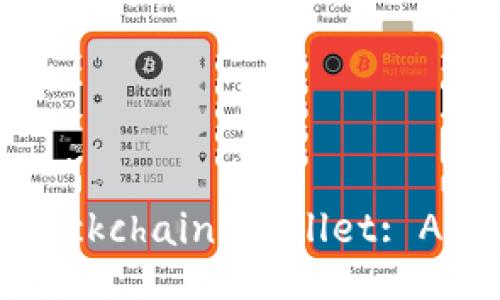
Security is a paramount concern for blockchain wallet users, given the risk of theft and loss. Implementing robust security measures can help protect your assets.
1. Enable Two-Factor Authentication (2FA): Many wallets offer 2FA, which adds an extra layer of security by requiring a second form of verification (such as a text message code) in addition to your password.
2. Back-Up Your Wallet: Regularly back up your wallet and store the backup in a secure location. Most wallets provide the option to generate a recovery phrase, which can restore your wallet in case of loss or device failure.
3. Use Strong Passwords: Create complex, unique passwords for your wallet and change them regularly. Avoid using easily guessable information such as birthdays or names.
4. Keep Software Updated: Ensure your wallet software is up to date to protect against vulnerabilities. Developers regularly release updates to fix bugs and improve security.
To make the most of your blockchain wallet, consider the following practical tips:
1. Choose the Right Wallet: Depending on your needs (daily transactions vs. long-term storage), select a wallet that suits your lifestyle. Research and compare different wallets before making a decision.
2. Stay Educated: The cryptocurrency landscape is ever-evolving. Stay informed about new developments, security threats, and best practices to ensure you are using your wallet effectively and safely.
3. Be Cautious with Public Wi-Fi: Avoid accessing your wallet over public Wi-Fi networks, as they may not be secure. If necessary, consider using a VPN to add a layer of protection when connecting to public networks.
4. Monitor Your Transactions: Regularly check your wallet activity for any unauthorized transactions. This can help you quickly detect and respond to potential threats.
Recovering a lost blockchain wallet depends largely on the type of wallet and the measures you took for securing it. Most software wallets provide a recovery phrase or seed phrase during the initial setup process, which can be used to restore your wallet on another device. If you have not saved your recovery phrase, recovery options become significantly limited, especially if you are using a hardware wallet. In general, ensuring that you back up your wallet regularly and store the backup in a secure location is the best way to avoid loss.
The private key is crucial to accessing your blockchain wallet. If you lose it, you will lose access to your cryptocurrencies forever, as there is no way to recover it without the key. Cryptocurrency transactions are irreversible, and without the private key, there is no “forgot password” option like in traditional banking systems. This underscores the importance of keeping your private keys secure and backed up.
Yes, it's common for users to have multiple wallets, especially since not all wallets support every cryptocurrency. Different cryptocurrencies may have specific wallet requirements, and using multiple wallets can help you manage your assets more efficiently. For example, you might use a hardware wallet for long-term storage of Bitcoin while using a mobile wallet for daily transactions involving Ethereum.
Fees associated with blockchain wallets can vary widely depending on the wallet provider, the blockchain network used, and the size of the transaction. Some wallets may charge a flat fee, while others may base fees on the transaction size or network congestion. It’s important to read the fee structure associated with any wallet or exchange and choose the option that offers the best value for your needs.
Choosing the best blockchain wallet requires assessment of several factors, including security, usability, compatibility with different cryptocurrencies, and your specific needs (e.g., frequent transactions vs. long-term storage). You might consider starting with a software wallet for ease of use and later transitioning to a hardware wallet as your holdings become more substantial and require enhanced security.
In conclusion, understanding the operation, security, and practical use of blockchain wallets is crucial for anyone participating in the cryptocurrency space. By following best practices and remaining vigilant, users can effectively manage their crypto assets while enhancing their security and efficiency in transactions.


随着加密货币的不断发展和普及,越来越多的人开始关注虚拟币钱包的使用。特别是在美国,越来越多的用户开始投...

在数字货币日益普及的今天,波场(Tron)作为一种高效的区块链平台,其在交易速度和交易成本方面的优势使得其上...

一、以太坊钱包概述 以太坊钱包是用于存储、接收和发送以太坊(ETH)及其相关代币的数字钱包。与传统的银行账户...
随着比特币的不断普及和使用,越来越多的用户开始关注比特币钱包的功能和性能。有许多新手用户在使用比特币钱...